Building a Production-Grade Data Platform with Airbyte, Airflow, and dbt
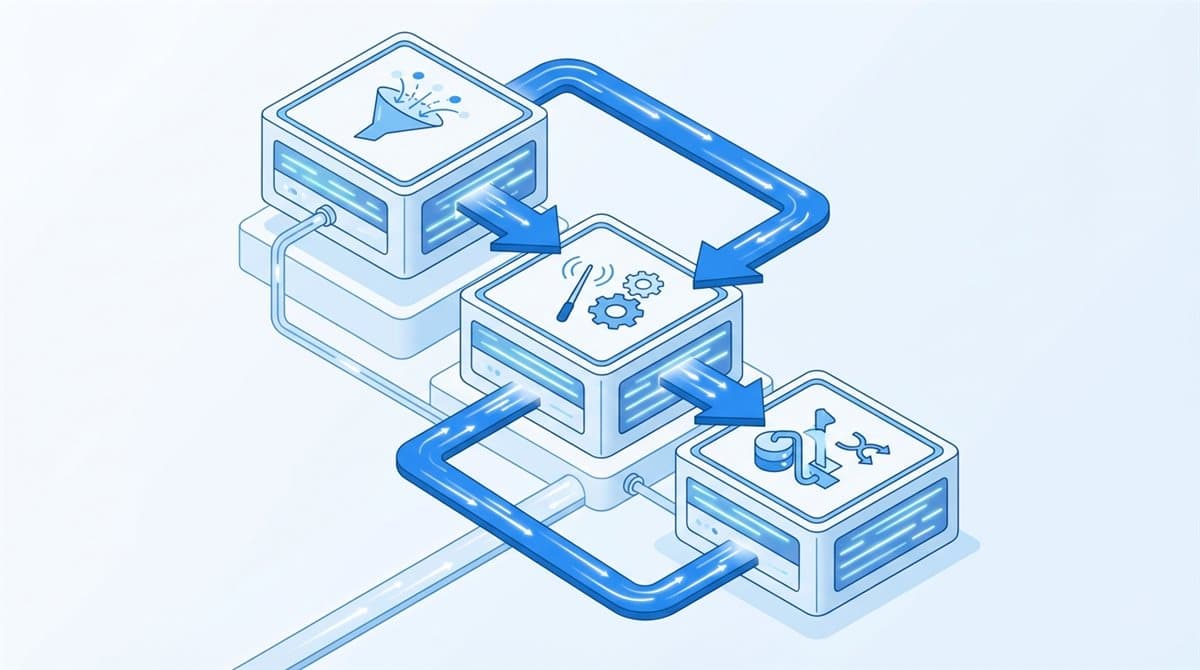
Figure: Conceptual overview of the platform.
Modern data platforms rarely fail because of missing tools; they fail because boundaries between tools are unclear. Ingestion, orchestration, and transformation may each use powerful technologies, yet the platform behaves inconsistently and becomes fragile.
This article explores how to design a modular, production-grade platform using Airbyte for ingestion, Airflow for orchestration, and dbt for transformation-with focus on architecture, boundary definition, and operational resilience rather than installation details.

Defining Clear Architectural Boundaries
The most important decision is defining what each layer owns-and what it does not. Airbyte handles source extraction and raw loading, Airflow orchestrates workflows across systems, and dbt manages transformation logic inside the warehouse.
When these responsibilities blur, the platform becomes tightly coupled and difficult to scale.
Airbyte as a Controlled Ingestion Layer
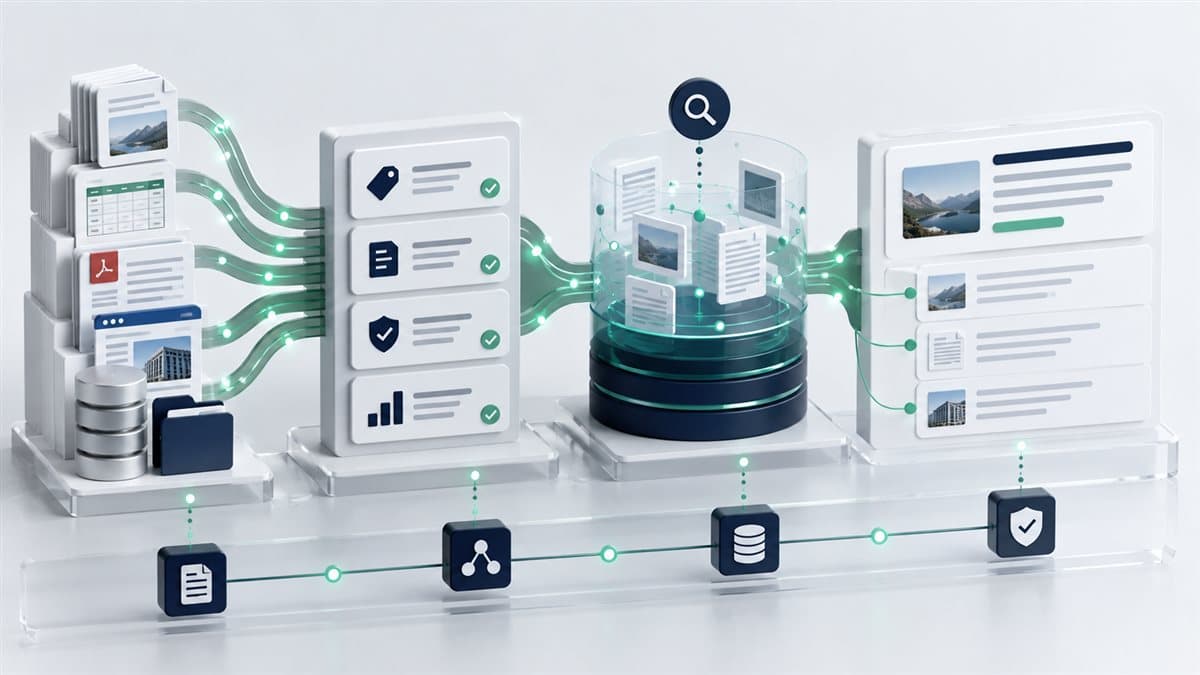
Airbyte should replicate data into raw or bronze layers without applying business logic. Architecture decisions include immutable raw tables, consistent naming conventions, schema drift handling, and incremental replication patterns.
Schema drift is a common ingestion failure mode; mature designs monitor schema changes and control propagation into transformation layers.
- Immutable raw tables
- Consistent naming conventions
- Schema drift handling strategies
- Incremental replication patterns
Airflow as the Control Plane
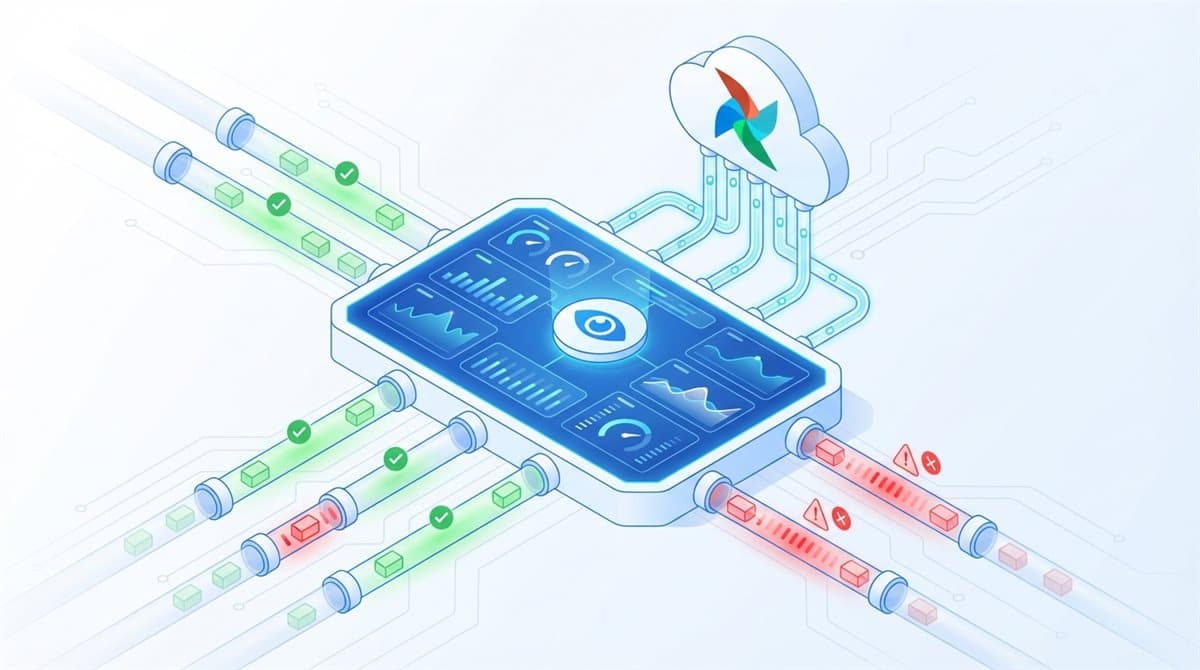
Airflow orchestrates Airbyte syncs, dbt runs, validation checks, and external dependencies. DAGs should remain declarative-defining execution order, retries, SLAs, and dependencies-while delegating heavy logic to specialized systems.
Embedding transformation logic inside DAGs reduces transparency; Airflow excels when coordinating modular components instead of replacing them.
dbt as the Transformation Engine
dbt provides dependency-aware SQL transformations inside the warehouse. Layered modeling patterns (staging, intermediate, marts) keep logic coherent and reproducible.
Tests defined in dbt act as embedded validation gates so that data quality rules ship with the code.
- Staging models that standardize raw data
- Intermediate models that apply domain logic
- Mart models that expose analytics-ready datasets
Coordinating the Three Layers
Integration must be explicit: Airflow triggers Airbyte, validates completion, runs dbt, and optionally notifies downstream systems. This sequence isolates failures and keeps observability localized to each layer.
- Airflow triggers Airbyte sync
- Airflow validates ingestion completion
- Airflow triggers dbt run
- dbt executes dependency-aware transformations
- Airflow triggers downstream systems or notifications
Data Quality as an Embedded Layer
Validation must exist at multiple levels: ingestion schema checks, dbt tests, and post-transformation anomaly detection. Airflow can orchestrate additional row-count or freshness checks before exposing data to consumers.
Layered validation reduces risk propagation.
- Ingestion-level schema checks
- Transformation-level dbt tests
- Post-transformation anomaly detection
Operational Trade-offs
Airbyte simplifies ingestion but depends on connector stability. Airflow provides orchestration flexibility but requires disciplined DAG design. dbt centralizes transformation but may increase warehouse load. Cost, performance, and maintainability must be evaluated holistically.
Scaling Considerations
Scaling is less about adding tools and more about preserving clarity. Airbyte configurations must stay standardized, dbt model governance becomes critical as logic grows, and Airflow DAGs must remain modular as dependencies expand.
Failure Modes and Recovery
Resilient architectures anticipate failure with retries, idempotent transformations, incremental processing, and consistent logging. Decoupled ingestion and transformation simplify recovery-failed Airbyte syncs do not corrupt dbt logic, and failed dbt runs do not affect ingestion history.
Conclusion
Combining Airbyte, Airflow, and dbt can produce a powerful modular platform, but tools alone do not create architecture. Clear boundaries, layered validation, disciplined orchestration, and operational awareness define long-term success.
A production-grade data platform is defined by how deliberately the stack is integrated.